

How to Open a Restaurant: A Complete Step-by-Step Guide

Opening a restaurant is one of the most demanding business ventures you can take on. It is also one of the most rewarding when you approach it with the right plan.

This guide walks you through every essential step, from your first idea to your opening night.
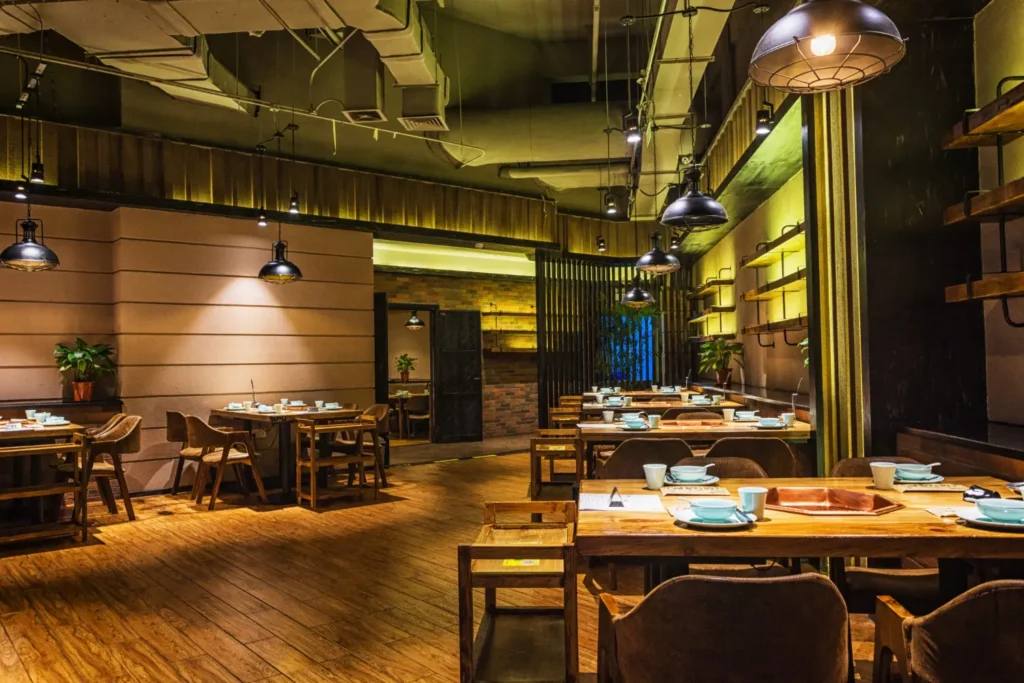
Why Most Restaurants Fail Before They Open

The majority of restaurant failures begin long before a single dish is served. They come from skipped steps, underestimated budgets, and concepts that were never fully defined.

Understanding where others go wrong gives you a real advantage. Every decision you make early on shapes your costs, your customers, and your chances of survival in a competitive market.

The following steps give you a framework that experienced operators rely on.

Define Your Restaurant Concept First

Your concept is the foundation of every decision that follows.

Choose Your Cuisine and Service Style

Decide whether you are opening a fine dining room, a fast casual counter, a neighborhood bistro, or something in between. Your service style affects staffing, pricing, kitchen layout, and the type of customers you attract.

Identify Your Target Customer

Know exactly who you are cooking for. Age, income, neighborhood, and dining habits should all inform your menu, your price points, and your atmosphere.

Develop a Unique Positioning Statement

In a saturated restaurant market, you need a reason for someone to choose you over the place next door. Your positioning should be specific, honest, and repeatable across every touchpoint.

Validate the Concept Before You Commit

Talk to potential customers. Run a pop-up. Test your menu at a market or supper club. Real feedback before you sign a lease saves you from expensive assumptions.

Write a Restaurant Business Plan

A business plan is not a formality. It is the tool that reveals whether your numbers actually work before you spend anything.

Your plan should include your concept summary, a detailed market analysis, your organizational structure, a full menu draft with costed recipes, and financial projections covering at least three years. Investors and lenders will ask for this document, but more importantly, it forces you to think through every variable before it becomes a problem.

Keep it honest. Optimistic projections that fall apart under scrutiny will cost you trust and money.

Secure Funding for Your Restaurant

Restaurant startup costs vary widely, but they are almost always higher than first-time operators expect.

Budget for your lease deposit and build-out, commercial kitchen equipment, permits and licenses, initial food and beverage inventory, payroll before revenue starts, and at least three to six months of operating reserves. Funding sources include personal savings, small business loans, investor partnerships, and in some cases grants for food businesses. Know exactly how much you need before you approach any funding source.

Find the Right Location

Location affects everything: your foot traffic, your rent-to-revenue ratio, your delivery radius, and the type of clientele you attract.

Look at pedestrian and vehicle traffic patterns at different times of day. Understand the demographics within a one-mile radius. Review the lease terms carefully, particularly reLocation affects everything: your foot traffic, your rent-to-revenue ratio, your delivery radius, and the type of clientele you attract.

Navigate Permits and Licenses

Opening a restaurant requires approvals from multiple agencies at the local, state, and sometimes federal level.

You will need a business license, a food service establishment permit, a certificate of occupancy, a food handler certification for yourself and your staff, and a liquor license if you plan to serve alcohol. Timelines for these approvals vary significantly by city and county. Build permit processing time into your opening schedule so a delayed license does not hold back your launch.

Build Your Team and Operations

Your restaurant runs on people, systems, and consistency.

Hire a kitchen team that matches the demands of your concept. Invest in front-of-house staff who understand hospitality, not just order-taking. Write standard operating procedures for every station, every shift, and every guest interaction. Before you open to the public, run full service dry-runs with friends, family, or invited guests. Identify every gap while the stakes are low.

Open With Intention