
Italian American cuisine is not simply Italian food made in America. It is its own tradition, shaped by immigration, adaptation, and generations of cooks working with what they had.
Understanding where it came from and what defines it helps you appreciate it far beyond the familiar red-sauce staples.
What Is Italian American Cuisine
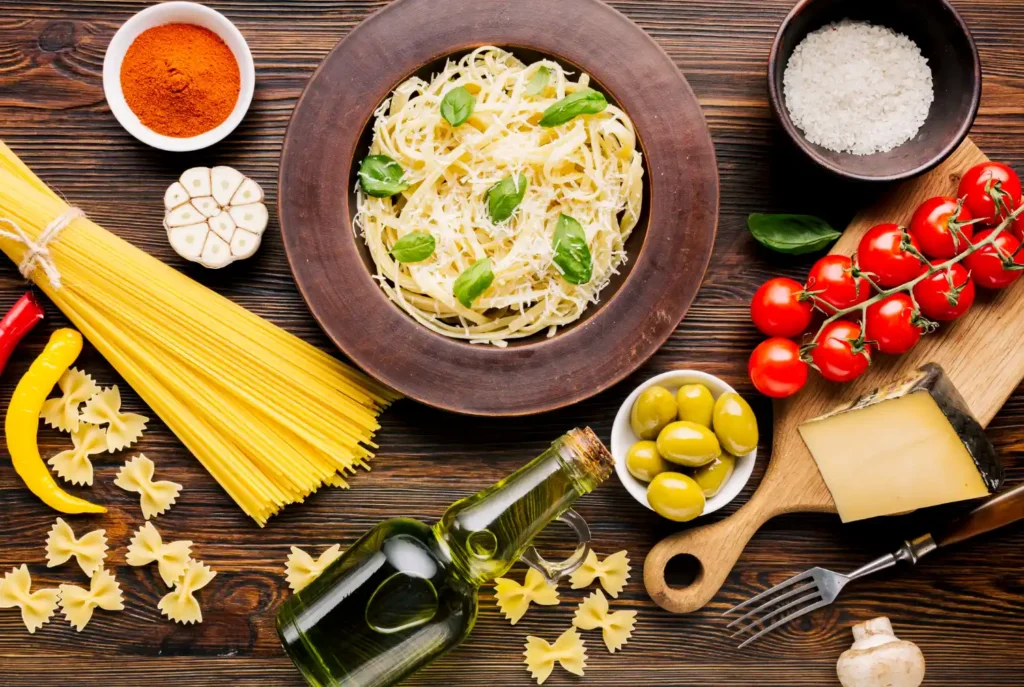
Italian American cuisine developed in the late 19th and early 20th centuries as waves of Italian immigrants, primarily from southern Italy and Sicily, arrived in the United States and began adapting their home cooking to American ingredients and portions.
Tomatoes became more central. Meat appeared more frequently and in larger quantities. Pasta dishes grew richer and more substantial than their regional Italian counterparts. The result was a distinct culinary identity that reflected both the heritage these communities carried and the prosperity they were building in a new country.
It is a cuisine born from scarcity, shaped by abundance, and carried forward by tradition.
Over time, dishes that began as home cooking in immigrant neighborhoods became cornerstones of American food culture. Spaghetti and meatballs, chicken Parmesan, baked ziti, and veal cutlets are not dishes you would find on a traditional Italian menu. They are Italian American creations, and they occupy their own rightful place in culinary history.
Today, Italian American cuisine is represented by family-run trattorias, upscale dining rooms, and every register in between. Its influence on American eating is difficult to overstate.
The Defining Dishes of Italian American Cooking
A handful of preparations define the canon of Italian American cuisine and appear, in some form, on menus from New York to Los Angeles.
Spaghetti and Meatballs
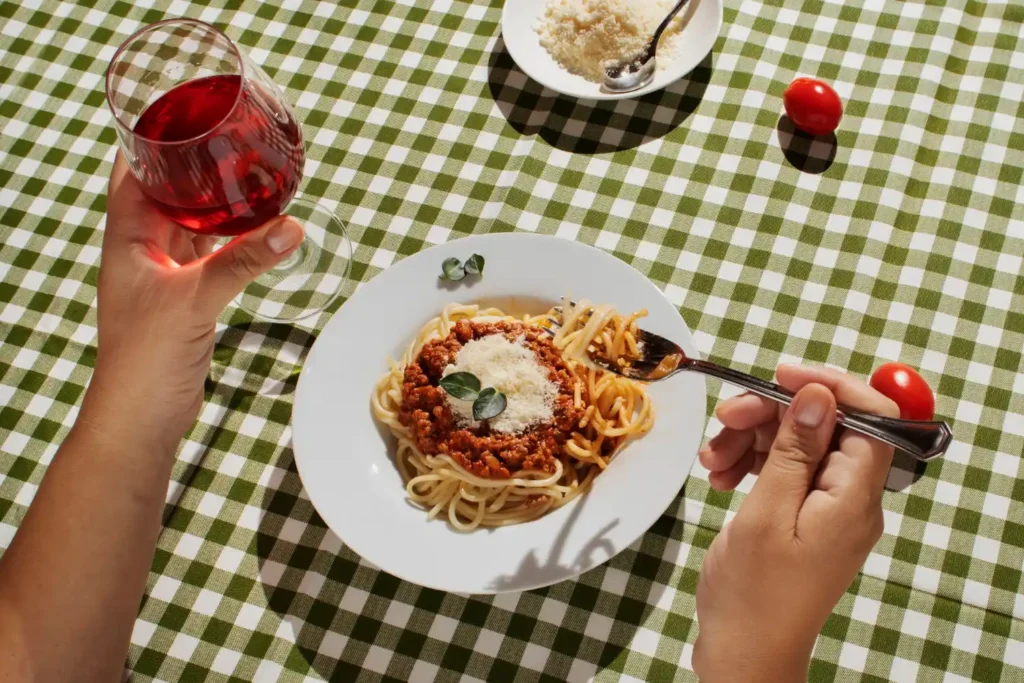
Perhaps the most recognized Italian American dish in the world. The combination of long pasta with large beef and pork meatballs in a slow-cooked tomato sauce has no direct equivalent in Italy, but in the United States it became synonymous with the entire tradition.
Chicken Parmesan
Breaded and pan-fried chicken cutlets topped with marinara sauce and melted mozzarella. The dish draws from the Neapolitan technique of frying eggplant, adapted to chicken as meat became more accessible and affordable in American kitchens.
Baked Ziti and Lasagna
These baked pasta dishes represent the spirit of Italian American cooking: generous, communal, and built to feed a table. Layered with ricotta, mozzarella, meat sauce, and fresh pasta, they remain centerpieces of Sunday dinners and celebrations across the country.
Veal and Chicken Piccata
Thin cutlets finished in a bright lemon and caper sauce. This preparation shows the refined side of Italian American cooking, where technique from the old country was preserved and presented with confidence.
Why Italian American Cuisine Endures
Italian American food has lasted not because it is trendy, but because it is deeply satisfying.
It speaks to comfort, generosity, and the pleasure of eating together. Portions are honest. Flavors are direct. The cooking rewards both the cook and the guest.
Restaurants that do it well understand the difference between honoring a tradition and simply replicating it. The best Italian American dining rooms bring care and craftsmanship to every dish, whether it is a bowl of clam linguine or a plate of Sunday gravy that has been on the menu for forty years.